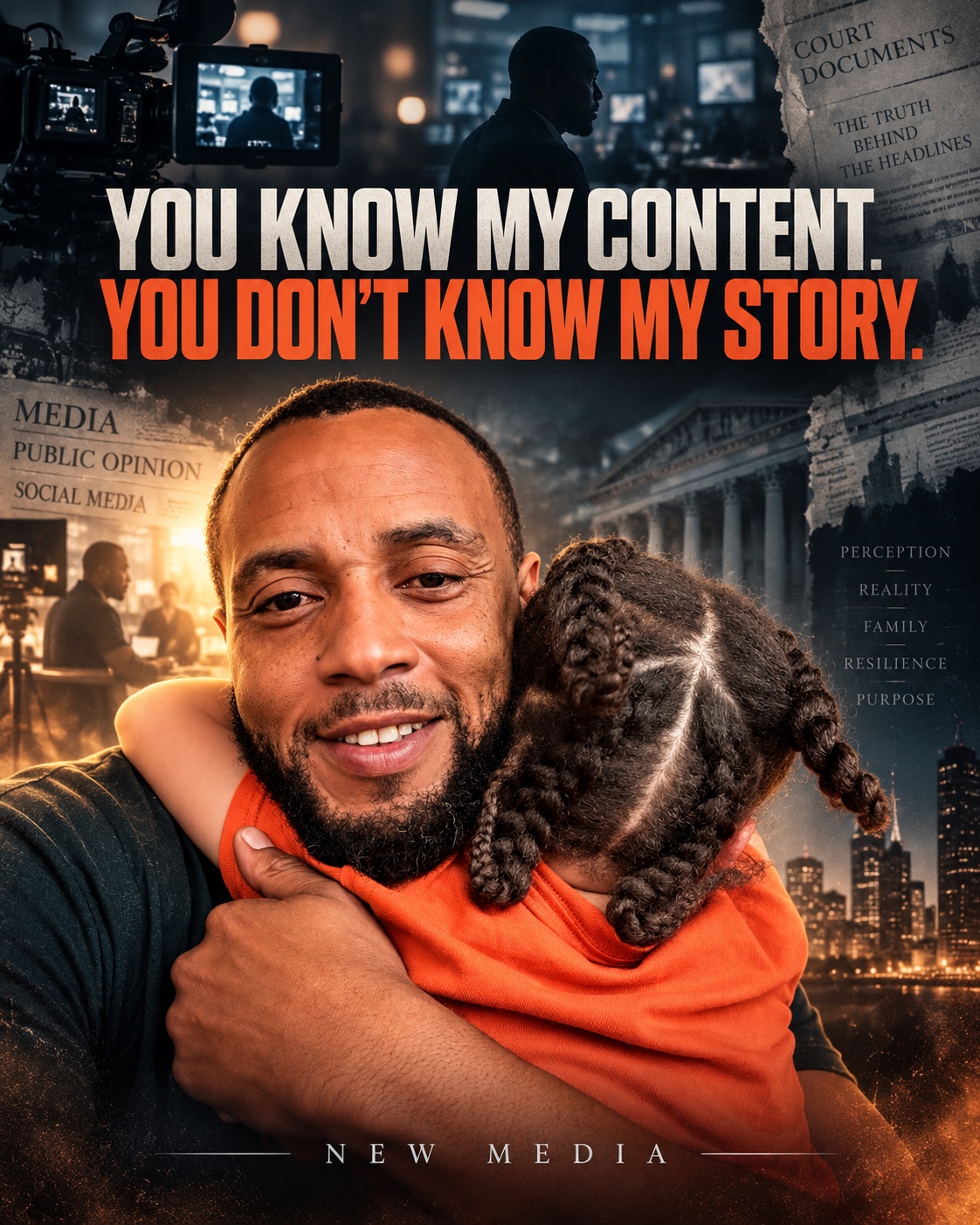
One thing that continues to amaze me about social media is how people can watch a few videos, read a couple of posts, and suddenly believe they know everything about the person behind them. They know your motives, your intentions, your character, and apparently what you’re trying to accomplish. But here’s the problem. You know my content. You don’t know my story.
Nearly 30 years ago I was teaching myself audio production. Learning how to edit, splice, engineer music, manipulate WAV files, and put together productions before social media was even a thing. I spent the better part of the last 20 years in sales, learning how to communicate with people, understand audiences, recognize consumer behavior, and develop relationships. Those weren’t skills I picked up yesterday.
Before New Media, there was Be Great Today, a podcast where I produced more than 150 episodes over nearly 3 years, encouraging people to become better versions of themselves. And guess what? Hardly anybody showed up. The audience wasn’t there. The engagement wasn’t there. But I kept producing because my commitment to what I was doing wasn’t dependent on how many people were watching.
Fast-forward to today. I’ve taken those same skills and applied them to investigative journalism. Instead of producing music, I’m producing documentaries. Instead of selling products, I’m presenting information. I’m digging through court dockets, reading case law, examining government records, and asking questions about things that often go unchallenged. And because people are finally paying attention, suddenly I’m chasing clout?
What’s fascinating is how conditioned we’ve become to accepting information based on who’s delivering it. Put somebody behind a television desk, give them a familiar network logo and a recognizable name, and people will accept information without ever asking to see the supporting documents. But let an independent journalist put the actual records on the screen, walk through them line by line, and suddenly everybody becomes suspicious of his motives. Since when did familiarity become the standard for credibility instead of evidence?
And I’ve noticed something else. Oftentimes, the loudest personal attacks don’t come from people disputing the information. They come from people who have some personal connection to the subject being discussed. Instead of challenging the documents, they challenge the messenger. They’ll question my character, bring up my past, or even invent things about my criminal history. I’ve had people publicly call me a convicted felon. I’ve never been convicted of a felony. But apparently, when you can’t dispute the facts, attacking the person presenting them becomes the next best option.
Meanwhile, what many of these critics never see are the private messages, the telephone conversations, and the people reaching out because they believe nobody else is listening. Just the other night, I spoke with a woman who was crying on the telephone. She told me she had prayed to God for New Media. I won’t disclose her circumstances, but conversations like that remind me that what we’re doing extends far beyond Facebook views, shares, and monetization. A thousand shares may tell you how far a story traveled, but they can’t measure the impact of helping somebody who feels like they’ve run out of places to turn.
Now, let me be perfectly clear. I don’t expect everybody to agree with me. I don’t expect everybody to like my delivery, my personality, or my conclusions. Challenge the information. Examine the documents. Correct me when I’m wrong. That’s how accountability works. But don’t confuse your preconceived notions with knowledge of who I am. Your opinion of my motives doesn’t make those motives factual.
I’ve spent nearly 3 decades developing skills that people are only now beginning to recognize. And I’m not about to spend the next 3 decades defending my intentions to people who have already decided what they want to believe.
You don’t have to like New Media. You don’t have to support New Media. You don’t even have to believe in New Media. But if you’re going to challenge the work, bring something more substantial than your opinion of the person doing it.
Because at the end of the day, we don’t argue innocence or guilt. We examine procedures, patterns, and systems.
And regardless of what anybody thinks about New Media or what they believe motivates this work, understand one thing.
WE WILL NOT STOP.
NEW MEDIA | WHERE THE TRUTH WILL NEVER BE SILENCED.